Blog/Paid Media Strategy
Multi-channel paid media strategy — how Google, Meta, and TikTok work together.
Running Google, Meta, and TikTok simultaneously without a unified strategy does not multiply your results — it multiplies your attribution confusion. Each platform claims the same conversion, budgets overlap, and you end up paying three channels to reach the same person at the same time. A real multi-channel strategy assigns each platform a distinct role in the funnel, coordinates audiences across channels, and measures performance through blended ROAS rather than siloed platform numbers.
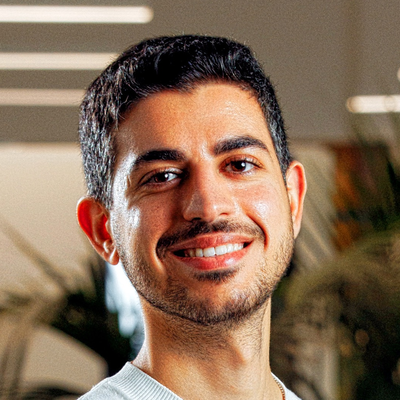
Ahmed Ashraf
Founder, Traffiy · April 2026 · Google Premier Partner

PAID MEDIA
Orchestrate.
Multiple channels. One strategy.
“Every channel claims the conversion. Meta says it drove it. Google says it closed it. Both are right. That's why blended ROAS across your whole account is the only number that tells the truth.”
— Ahmed Ashraf · $500M+ in budgets managed
Platform roles
Google captures intent. Meta builds demand. TikTok creates discovery.
These are not interchangeable. Each platform accesses users in a fundamentally different mental state — and your strategy has to reflect that. Running the same ad objective across all three is one of the most common multi-channel mistakes.
🔍
Intent capture
Google Search
People actively searching for what you sell. Highest purchase intent. Most expensive CPCs. Closes the funnel — it does not open it.
📱
Demand creation + retargeting
Meta (Facebook / Instagram)
Interrupts scrolling to build awareness and retarget warm audiences. Best at creating desire for products people did not know they needed.
▶
Discovery
TikTok
Reaches new audiences through native video content. Best for introducing your brand to cold audiences who have never heard of you.
3+
touchpoints before most purchase decisions are made. No single channel can provide three meaningful touchpoints on its own — multi-channel is not a luxury, it is how modern buying decisions actually happen.
Why siloed channels produce over-attribution and wasted spend.
When each channel reports independently, every platform takes full credit for the conversion. A customer sees a TikTok ad, clicks a Meta retargeting ad, then converts via Google Search. TikTok reports 1 conversion. Meta reports 1 conversion. Google reports 1 conversion. Your total attributed revenue is 3× actual revenue. Every platform looks profitable. Your blended economics tell a different story.
The silo problem
Accounts running channels in silos routinely see 200–400% over-attribution. Platform ROAS looks great. Then they pull back spend thinking channels are profitable — and overall revenue drops because they cut the top-of-funnel feeding the bottom. Blended ROAS is the corrective.
Unified funnel model
The channel stack that actually converts.
Top of funnel
TikTok + Meta (awareness)
Reach new audiences, create demand
Video views, reach, brand awareness
Mid funnel
Meta retargeting + YouTube
Nurture warm audiences, build consideration
Engagement, video completions, site visits
Bottom of funnel
Google Search + Google Shopping
Capture purchase intent, close sales
Conversions, leads, purchases
Retention
Meta (existing customers) + Email
Repeat purchase, upsell, LTV expansion
Repeat purchases, referrals
Cross-platform audience coordination.
Audience coordination is the most underused lever in multi-channel paid media. Most brands upload their customer list to one platform and ignore the others — leaving suppression gaps and missed lookalike signals on every platform they skip.
Suppression lists
Upload your existing customer list to Google, Meta, and TikTok as suppression audiences. Stop paying to convert people who already converted. This alone typically reduces wasted spend by 5–15% in mature accounts.
Lookalike coordination
Build lookalike audiences on all three platforms from your highest-value customers (top 20% by LTV). Each platform has different algorithm signals — running lookalikes in parallel often surfaces different high-value audiences you would miss on any single platform.
Retargeting deduplication
If someone is in your Meta retargeting audience, they do not need to be in your TikTok retargeting audience simultaneously. Assign retargeting duties to one platform (typically Meta for most audiences, LinkedIn for B2B). Concentrate your retargeting budget rather than splitting it.
Budget sequencing
The right order to add channels — and when to add them.
Start with Google Search
Captures existing demand. Fastest path to positive ROAS. Requires clear keyword strategy and conversion tracking. Get this profitable first — it proves there is a market for your offer before you invest in creating demand.
Add Meta once Search is stable
Build a prospecting campaign targeting your ideal customer profile. Run retargeting to website visitors from Search. Budget: roughly 50–60% of your Google Search spend to start. Measure contribution at blended level, not in isolation.
Add TikTok last — it is creative-intensive
TikTok requires native, platform-specific creative produced at volume. Expect to test 5–10 creatives before finding one that works. Do not add TikTok until you have a content production process in place. It feeds the funnel — do not expect direct attribution.
| Channel | Funnel role | Primary objective | % of blended budget |
|---|---|---|---|
| Google Search | Intent capture | Drive conversions from in-market buyers | 40–50% |
| Google Shopping | Intent capture | Product-level conversion for eCommerce | 10–15% |
| Meta (FB/IG) | Demand creation + mid-funnel | Awareness, retargeting, lead gen | 25–35% |
| TikTok | Discovery + awareness | New audience reach, brand recognition | 10–15% |
| YouTube | Mid-funnel consideration | Educate and nurture warm audiences | 5–10% |
Key insight
Blended ROAS is the only honest measurement for multi-channel accounts. Calculate it monthly: total revenue attributed to paid / total paid media spend across all channels. If your blended ROAS is improving while individual platform ROAS looks flat, your funnel is working correctly. The top-of-funnel spend is earning its keep — just not in the channel it is spent on.
3+
Touchpoints before most purchase decisions — single-channel strategies miss the full journey
40%
Lower CAC for brands running 3+ coordinated channels vs a single-channel approach
Blended ROAS
The only honest metric when running multi-channel — platform ROAS always overclaims
FAQ
Common questions about multi-channel paid media.
Should I run Google, Meta, and TikTok at the same time?+
Not necessarily at the start. If you are new to paid media, begin with Google Search (high intent, lower risk). Once Search is profitable, add Meta for demand creation. Add TikTok last — it requires the most creative investment and works best once you have a content production rhythm. Running all three from day one without creative resources spreads budget too thin.
What is blended ROAS and why does it matter?+
Blended ROAS is total revenue divided by total ad spend across all channels. It matters because in a multi-channel funnel, every platform claims credit for the same conversion. Meta says it drove the sale. Google says it closed it. Blended ROAS cuts through attribution disputes and gives you the honest picture of what your full paid media investment is returning.
How do I prevent over-attribution across channels?+
Use platform-reported ROAS as directional signals, not ground truth. The best approach is to use a first-party data source (your CRM or back-end revenue data) and divide total attributed revenue by total spend. Also run suppression lists across channels so you are not paying three platforms to convert the same customer simultaneously.
What percentage of budget should go to each channel?+
For most direct-response businesses, a starting split is roughly 50% Google Search, 35% Meta, 15% TikTok. As you scale and gather data, adjust based on blended ROAS contribution per channel. Top-of-funnel channels (TikTok, Meta awareness) are harder to attribute but feed the bottom-of-funnel (Google Search) — reduce them too much and Google Search volume drops.
How do I coordinate audiences across Google, Meta, and TikTok?+
Upload your customer list to all three platforms. Use it as a suppression list for prospecting campaigns (so you are not spending on existing customers) and as a seed for lookalike audiences. Sync your CRM or Shopify customer list monthly at minimum. For high-value audiences, create custom segments by purchase value and suppress them from top-of-funnel spending.
Ahmed Ashraf — Founder, Traffiy
10+ years in paid media. $500M+ in budgets managed across Meta, Google, and TikTok. Google Premier Partner — top 3% globally. Every article on this blog is written from direct experience managing real campaigns.
Want a unified multi-channel strategy built for your business?
Traffiy builds and manages cross-channel paid media strategies. No silos, no over-attribution, no junior account managers.